
Wildlife behavior is constantly influenced by the weather. Here in the Delaware Valley, temperature swings, seasonal changes, and major storms can all drive animals closer to homes as they search for shelter, food, and safety. Understanding wildlife behavior and weather in PA helps you predict when problems may arise and prepare before nuisance animals get inside.
Below is a breakdown of how different weather conditions affect seasonal wildlife activity and what homeowners should watch for.
1. Winter: Cold Weather Drives Wildlife Indoors
When temperatures drop, animals look for warmth wherever they can find it. Attics, chimneys, crawl spaces, and wall voids become prime shelter spots.
Common winter activity includes:
- Mice and rats squeezing through tiny gaps for heat
- Squirrels entering attics to escape freezing temperatures
- Raccoons seeking insulated spaces for winter denning
Snow and ice also limit natural food sources, pushing wildlife to forage near homes, trash cans, and pet food.
2. Spring: Breeding Season Increases Encounters
Spring brings life and, with it, a surge in wildlife activity. Warmer temperatures increase movement as animals search for nesting sites.
Expect increased activity from:
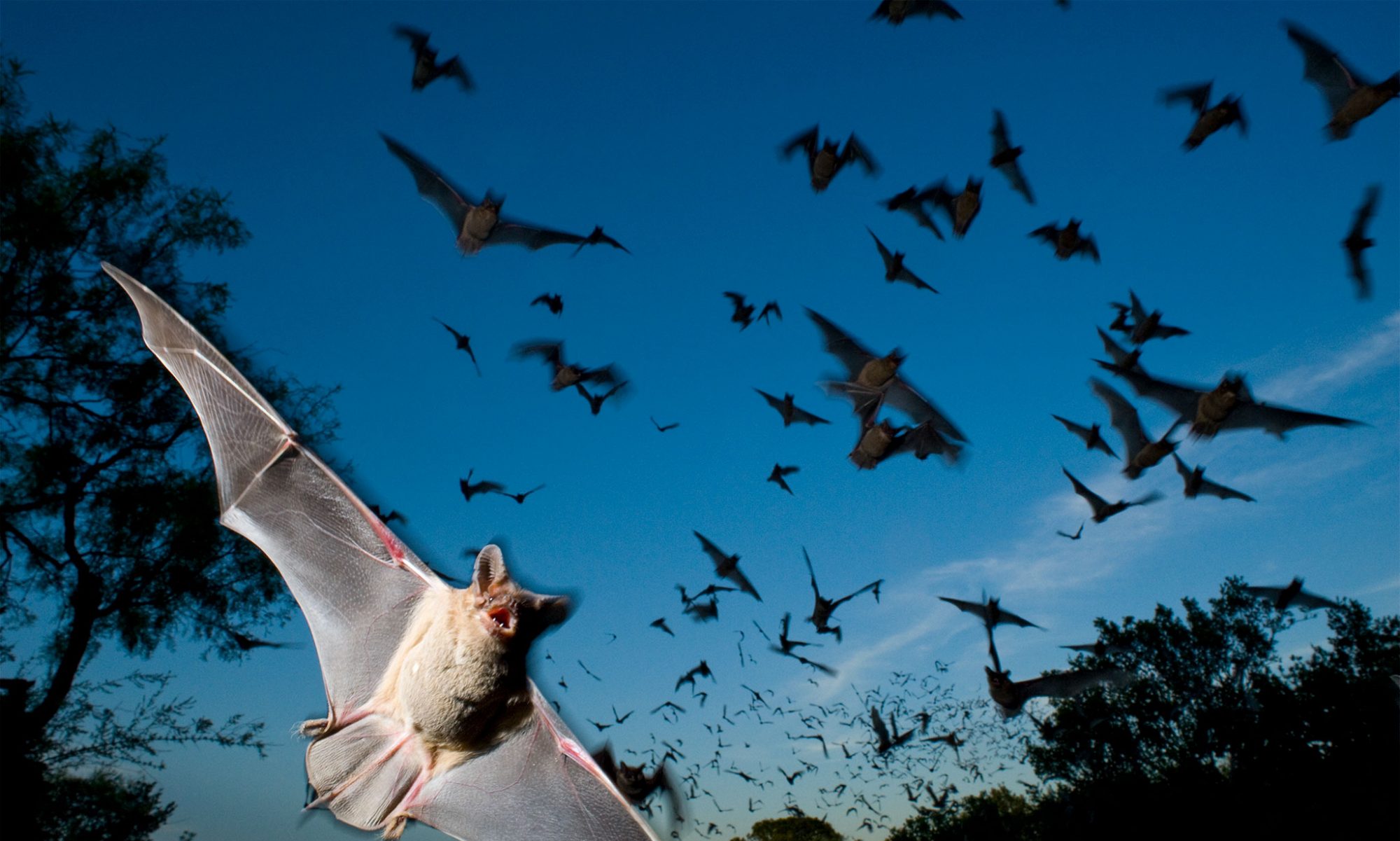
- Bats returning to summer roosts
- Birds nesting in chimneys and vents
- Squirrels raising their first litters of the year
Because animals are highly territorial during breeding season, noise in attics or walls is especially common.
3. Summer: Heat and Storms Shift Wildlife Patterns
High heat drives wildlife to shaded, cooler areas, including under decks, sheds, and porches. Severe thunderstorms or tropical systems can also destroy nests or dens, forcing wildlife to relocate quickly.
During summer, homeowners may see:
- Groundhogs digging near foundations for cooler soil
- Skunks seeking shade and water sources
- Bats gathering in attic spaces during maternity season
Storm damage often creates new entry points, making summer a peak time for nuisance calls.
4. Fall: Preparation for Winter Increases Home Intrusions
As temperatures begin to drop again, animals prepare for the winter ahead. This means:
- Raccoons searching for secure dens
- Mice and rats storing food indoors
- Squirrels aggressively entering attics for late-season nesting
Fall and winter is also when structural gaps become more noticeable. Loose siding, damaged soffits, or open vents invite wildlife inside.
Wildlife Behavior and Weather in PA: Prepare Your Home for Seasonal Shifts
Weather in the Delaware Valley plays a major role in when and how animals enter homes. By understanding seasonal behavior patterns, homeowners can take proactive steps — like sealing entry points and scheduling inspections — before a small issue becomes a major problem.
At Main Line Bat Guy, we specialize in humane, permanent wildlife solutions backed by local expertise. If you’re noticing seasonal wildlife problems or want to stay ahead of weather-related issues, schedule an inspection today. And for more seasonal insight, explore our related post: Chimney Swift Ardmore.