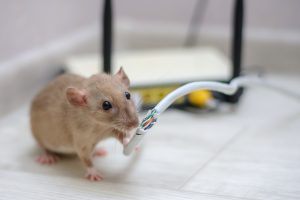
When wildlife gets into your attic, walls, chimney, or crawl space, the damage can be extensive and expensive. Homeowners often assume their insurance policy will cover repairs, but unfortunately, that isn’t always the case. Understanding how wildlife damage insurance works can help you avoid surprises and protect your home before wildlife becomes a major issue.
Below is a breakdown of what’s typically covered, what isn’t, and how to review your policy with confidence.
What Homeowners Insurance Usually Covers
Most homeowners wildlife damage insurance coverage applies to sudden and accidental damage. In other words, if the problem occurred unexpectedly and wasn’t preventable, there’s a good chance the policy will help.
Commonly covered scenarios include:
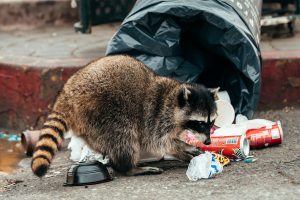
- Damage caused by wild animals breaking in, such as raccoons tearing through soffits or roofs
- Structural damage from a single sudden event (e.g., a squirrel gnawing through wiring and causing an electrical issue)
- Cleanup and restoration after certain wildlife-related incidents
- Personal property losses if the damage is part of a covered peril
While every policy is different, insurers typically help when the wildlife intrusion was beyond the homeowner’s control and happened abruptly.
What Homeowners Wildlife Damage Insurance Does Not Cover
Insurance companies often deny claims related to ongoing maintenance issues or preventable infestations. Wildlife problems are rarely considered “accidental” if they occur over time.
Typical exclusions include:
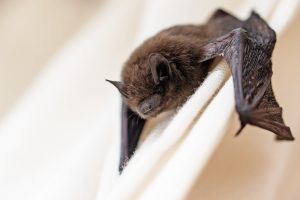
- Gradual or long-term infestations (mice, rats, bats, etc.)
- Damage caused by neglect, such as unrepaired entry points
- Animal droppings, contamination, or odors resulting from untreated infestations
- Damage from pets, rodents, or insects, which most policies list as exclusions
- Repairs to entry points if the insurer considers them a maintenance responsibility
In short, if wildlife has been living in your home for weeks or months, insurance is unlikely to cover the associated damage.
How to Review and Understand Your Policy
Homeowners can take a few simple steps to understand their wildlife-related coverage:
- Review the “Perils Insured Against” section for language about animals or accidental damage
- Check for rodent or vermin exclusions, which many policies list separately
- Ask your provider about cleanup and sanitation coverage for wildlife contamination
- Confirm whether personal property is included if animals destroy attic storage items
- Document damage and contact your insurer early if you believe the incident is covered
If anything in the policy is unclear, contact your insurance agent directly for clarification.
Protect Your Home Before Damage Occurs
Insurance can help in some wildlife situations, but prevention is the best protection. Professional inspections and wildlife-proofing reduce the chance of costly, uncovered damage, and most importantly, give homeowners peace of mind.
At Main Line Bat Guy, we specialize in humane, permanent wildlife solutions that stop problems before they escalate, including emergency services. If you’re concerned about wildlife damage or want expert advice on prevention, explore our related post here: Animal Trap Merion.