
Squirrel Removal Near Me | Main Line Bat Guy

squirrel removal near me

If you’re searching for “squirrel removal near me,” chances are you’re dealing with an unexpected visitor in your home and you might even be a little sleep-deprived from the constant noise! Squirrels may seem harmless and cute at first glance, but when they start nesting in your attic, chewing through wires, or causing structural damage, they can quickly turn into a major problem. Don’t worry, though! Taking quick action is essential to preventing further damage and protecting the safety of your home and family.

Squirrel Removal Near Me: Signs to Look For!

If you’re hearing scratchy, strange noises or noticing damage around your home, it could be a sign that squirrels have made themselves comfortable inside. Identifying the early warning signs is incredibly important to stopping them before they cause more damage or begin nesting. Here are the most common signs that you need professional squirrel removal. 

  • Scratching or Scrambling Noises
    Hear scurrying sounds in your walls or attic? It’s likely squirrels looking for a place to nest and call home.
  • Visible Damage to Vents or Rooflines
    Squirrels are notorious for chewing through anything. Look for gnaw marks around vents, roofing, or soffits.
  • Chewed Wires or Insulation
    Electrical wiring and insulation are common squirrel targets and can lead to damages and costly repairs.
  • Squirrel Droppings
    Finding mysterious droppings or urine stains near entry points? It’s a clear sign of a squirrel invasion.
  • Nesting Materials in Your Attic
    Squirrels gather twigs, leaves, and insulation to build nests. Check your attic for signs of this activity.
  • Squirrel Sightings Around Your Home
    If you regularly see squirrels hanging out near your roofline or attic vents, they may already be inside.
  • Foul Odors A strong, musty smell in your attic or walls can indicate squirrel urine or droppings. This scent often means squirrels have been living there for some time.

Contact Us Today!

Squirrels can cause significant damage to your home if left unchecked. If you’re dealing with a squirrel problem and searching for “squirrel removal near me,” don’t wait—contact us at (484) 716-2177 for fast, effective removal solutions. Our experienced team is here to restore your home’s safety and peace of mind.

Mouse Lifespan: How Long Do Mice Live? | Main Line Bat Guy

how to get rid of mice

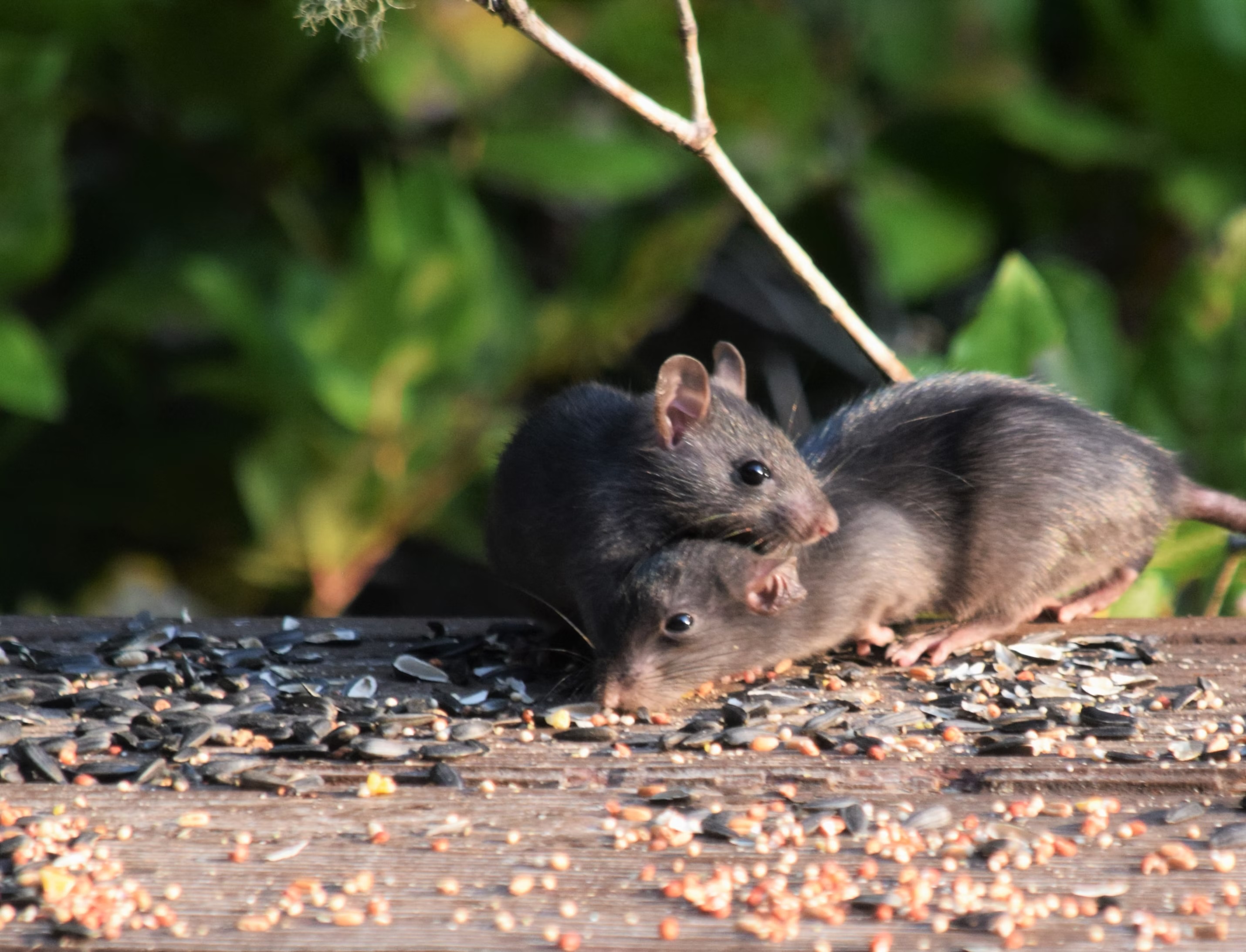
If you’ve ever spotted a mouse in your home, you might be wondering, “how long do mice live?” You might be relieved to learn that common house mice typically only live around a year, but their rapid breeding cycles mean a small problem can quickly turn into a full-blown infestation.

How Long do Mice Live and How your Home Expands their Lifespan
In the wild, mice rarely live longer than a few months due to predators, food scarcity, and harsh weather. But inside a safe home, house mice can survive up to a year or more. Their ability to adapt to indoor environments allows them to thrive far beyond what nature intended. Understanding this can help you better manage this issue and take the right steps to keep them out for good. Here are some common questions about this all too common problem:

  • How Long Do Mice Live & Avoid Detection Inside My Home? Mice are nocturnal and rely on their heightened senses to navigate in the dark. Their strong senses of smell and hearing help them move undetected through your walls, furniture, and hidden crevices, allowing them to thrive unnoticed.
  • How Do Mice Gain Entry to my Home? With a flexible body, mice can fit through holes as small as a dime. Your home’s vents, pipes, and small cracks provide easy access points, helping them find shelter where they can live longer and reproduce without disruption.
  • How Does Indoor Living Affect a Mouse’s Reproduction? A single female mouse can produce up to 60 offspring per year, and in the safety of your home, those babies reach reproductive age in just 4-6 weeks. Without predators or environmental stress, indoor mice multiply rapidly, extending their colony’s presence far beyond what’s typical in the wild.
  • What Makes My Home the Ideal Habitat for Mice? Mice thrive indoors because homes provide everything they need to survive:
    • Reliable Food Sources: Crumbs, pet food, and pantry staples keep them well-fed year-round.
    • Access to Water: Leaky pipes, condensation, and houseplants provide moisture to sustain them.
    • Warm, Secure Shelter: Insulation, furniture, and hidden nooks offer protection from weather and predators, allowing them to live much longer than they would outdoors.

Contact Us Today!

Mice don’t belong in your home. If you need reliable solutions to keep them out, give us a call at (484) 716-2177. Our team is ready to help you take back your space.

Do Mice Ever Stop Reproducing? | Facts from Main Line Bat Guy

do mice ever stop reproducing

Mice are notorious for their ability to multiply at alarming rates. But, do mice ever stop reproducing? The truth about how quickly mice breed is alarming which is why it’s so important to take action early when dealing with an infestation. Here’s what you need to know:

So, Do Mice Ever Stop Reproducing?

Unfortunately, they don’t. Because of this, it’s crucial to not let what feels like a small mouse problem go unresolved. Here’s what you need to know:

Mice Can Reproduce as Early as 6 Weeks Old
Female mice can start breeding as soon as they reach 6 weeks of age. In a matter of weeks, a single pair of mice can start producing offspring, creating a fast-growing problem if not addressed quickly.

Mice Are Year-Round Breeders
Unlike some animals that have breeding seasons, mice can reproduce year-round. As long as they have access to food, water, and shelter, they will continue to breed, making it easy for an infestation to become unmanageable quickly.

A Single Pair Can Lead to Hundreds
A single pair of mice can produce 5-12 pups every 3 weeks. Over the course of a year, this can lead to hundreds of mice if not controlled. The speed at which they breed means that an infestation can become unmanageable in a very short period.

External Factors Can Affect Their Reproduction
Mice can breed continuously unless something disrupts their environment. Factors such as disease, extreme weather, or a lack of resources may cause a temporary slowdown. However, in a protected environment like your home, they will breed uninterrupted unless professional action is taken.

Stopping Mice from Reproducing Requires Comprehensive Action
Professional extermination doesn’t just focus on getting rid of the mice; it also targets the root causes like entry points, nesting areas, and food sources. Once the problem is eliminated, we help ensure that mice can’t return by offering comprehensive solutions for long-term prevention. Don’t continue to wonder do mice ever stop reproducing? Enlist one of our pros to help you today.

Contact Us Today!

Don’t let a mouse issue spiral out of control. Contact us today at (484) 716-2177. No infestation is too big or too small for our experts!

How to Get Rid of Mice Quickly & Safely | Main Line Bat Guy

how to get rid of mice

If you’re searching left wondering how to get rid of mice in your home, we understand how unsettling and stressful the situation can be. Mice may be small, but the problems they cause can be massive. From spreading diseases to damaging your home, these unwelcome guests can quickly turn into a nightmare. While lasting results typically require the expertise of professionals, there are simple steps you can take at home to help deter mice and minimize the spread of an infestation.

How to Get Rid of Mice: Tips from the Pros

1. Cut Off Access Points
Mice enter homes through gaps as small as a dime. Inspect your home’s exterior and seal holes in walls, doors, and around utility lines using strong materials like steel wool. Our pros can spot vulnerabilities you might miss and recommend durable solutions to block entry.

2. Remove Food Sources
Eliminate what attracts mice in the first place. Store pantry items in airtight containers, clean up crumbs, and take out the trash regularly.

3. Set Strategic Traps
Traps are a quick solution for catching mice, but placement is critical. An exterminator knows where mice are most active, like along walls or in hidden corners, and can deploy traps strategically for maximum effectiveness.

4. Look for Nesting Areas
Mice build their nests in warm, hidden spaces that have easy access to food and water. These nests are typically made from shredded materials like paper, fabric, insulation, or dried plants. You might find them tucked away in attics, basements, behind appliances, or in the back corners of cabinets. They often appear as small, messy clusters of debris, sometimes with droppings nearby which is a key sign of an infestation. Maintaining a tidy, uncluttered home and regularly inspecting for signs of activity will make it easier to spot and address potential issues, keeping mice at bay.

5. Prevent Future Infestations
Once the mice are gone, it’s crucial to keep them out. Our exterminators will offer follow-up services, maintenance plans, and expert advice to mouse-proof your home permanently.

Contact Us Today!

Don’t let mice take over your home. If you’re wondering how to get rid of mice for good, call us today at (484) 716-2177. Our experts will help protect your home and family with effective, long-lasting solutions.

Do I Have Bats in My Attic? How to Know | Main Line Bat Guy

bats in my atticIf you’re up at night wondering, “Are those bats in my attic?” after hearing a strange noise, you’re not alone. Bats often make their way into attics unnoticed, only revealing their presence through subtle signs. Catching these signs early can help you address the problem before it worsens. Here are the key indicators that bats might be hiding in your attic.

Bats in My Attic! Know The Signs

  1. Unusual Noises at Night
    Bats are nocturnal, so you’re most likely to hear them at night. Listen for scratching, squeaking, or fluttering sounds coming from your attic or walls. These noises are often most noticeable during the early evening when bats are active.
  2. Droppings or Stains Around Entry Points
    Bat droppings, known as guano, are a telltale sign of their presence. Guano looks like small, crumbly pellets and may accumulate on attic floors. You might also notice dark, greasy stains around holes or gaps where bats enter and exit.
  3. A Persistent Musty Odor
    A strong, unpleasant smell in your attic could be due to a build-up of bat droppings and urine. This odor can seep into other parts of your home, especially during warmer months.
  4. Sightings at Dusk or Dawn
    If you see bats flying near your home at dusk or dawn, there’s a chance they’re roosting nearby. Pay attention to areas like vents, chimneys, or other openings leading to your attic.
  5. Holes or Gaps in Your Home’s Exterior
    Bats can enter through surprisingly small openings. Inspect your roofline, chimney, and attic vents for any gaps or damaged areas. Even a space as small as half an inch can serve as an entry point, making thorough watch essential to keep them out.

What to Do If You Suspect Bats

If you notice any of these signs, don’t panic! Call us today at  (484) 716 2177 to act quickly. At Main Line Bat Guy, we specialize in safe and humane bat removal services. Our team will thoroughly inspect your property, identify entry points, and create a plan to evict bats and prevent their return. Don’t let bats take over your attic: contact us today to schedule an inspection!


Top Wildlife Pests in Delaware County & How to Handle Them

common wildlife pests in delaware valley

Wildlife pests can wreak havoc on homes and properties in Delaware County, posing risks to health and safety. If not properly addressed, these unwelcome intruders can damage structures, spread diseases, and create ongoing problems. Identifying the most common wildlife pests in Delaware County is the first step in protecting your home and ensuring effective control.

The Most Common Wildlife Pests in Delaware County


Wildlife pests can cause significant challenges for homeowners in Delaware County. Knowing which critters are most likely to invade your property can help you identify issues early and take appropriate action. Here are some of the most popular pests in the area and the issues they bring:

  • Bats
    Bats play a vital role for our Delaware County ecosystem but are problematic when they invade homes. They often roost in attics, leaving behind droppings (guano) that can cause health issues like histoplasmosis. Their presence is also linked to unpleasant odors and contamination.
  • Raccoons
    Raccoons are notorious for raiding trash cans and entering homes through attics or chimneys due to their natural intellect. They can spread diseases like rabies and leptospirosis and cause structural damage in their search for food or shelter.
  • Squirrels
    Squirrels may seem harmless, but they can cause big problems for your home and your wallet! They chew through wood, insulation, and even electrical wiring, increasing the risk of fires. These pesky nesting habits will undoubtedly lead to costly repairs.
  • Rodents
    Mice and rats are common invaders that multiply quickly, making infestations difficult to control. They contaminate food, spread diseases like hantavirus and salmonella, and cause damage by gnawing on wiring, wood, and household items.
  • Groundhogs
    Groundhogs are burrowing pests that can damage lawns, gardens, and even foundations through their underground activity. Their extensive burrow systems weaken structures and create safety hazards.
  • Snakes
    While many snakes are harmless and beneficial for controlling rodent populations, some species may enter homes or yards, causing fear and potential danger if venomous species are involved.
  • Skunks
    Skunks are known for their defensive spray that often lingers for weeks and even permeates walls, furniture, and clothing. When threatened, these nocturnal creatures release the spray as a natural defense mechanism, making encounters unpleasant for both people and pets.

Protect Your Home: Contact Us Today!

No matter the pest, early intervention conducted by a professional is crucial to minimize health risks and property damage. If you’re dealing with wildlife pests in Delaware County, trust Main Line Bat Guy! Call us today at (484) 716 2177 today! 

How to Prevent Seasonal Wildlife Invasions: Expert Advice for Homeowners

prevent seasonal wildlife invasionsTo quote Game of Thrones: “Winter is coming.” And it’s not just the cold weather you need to prepare for. Just as we retreat indoors to escape winter’s chill, wildlife also begins seeking warm, safe havens for shelter. Unfortunately, residential homes are often a prime target for pests like rodents, raccoons, and bats during the colder months. The good news? With a few proactive steps, you can prevent seasonal wildlife invasions and keep your home secure all winter long.

Protecting your Home This Winter

During the winter holiday season, unwanted wildlife are the worst kind of visitors—chewing wires, tearing insulation, and leaving droppings that pose serious health risks, as well as cause physical and emotional distress to homeowners. Their knack for squeezing through tiny gaps makes prevention crucial. A few proactive measures now will protect your property and ensure your family stays safe and comfortable all season long. By tackling this early, you can prevent seasonal wildlife invasions and spare your family the stress and expense of an invasion.

  • Seal entry points: Inspect your home for cracks, gaps, and holes, especially around doors, windows, and the foundation. Use caulk, steel wool, or hardware cloth to close them.
  • Secure vents and chimneys: Install mesh covers or caps to block animals from entering these common access points.
  • Trim outdoor vegetation: Keep tree branches and shrubs trimmed back from your roof to limit access.
  • Clean up debris: Remove piles of wood, leaves, or clutter near your home’s exterior that could serve as hiding spots for pests to find shelter. 
  • Inspect and maintain attics and basements: Regularly check these spaces for signs of wildlife activity, such as droppings, nests, or chewed materials.
  • Call the experts: If you’re concerned about wildlife invasions or need a custom prevention plan, Main Line Bat Guy is here to help. We can handle the full scope of wildlife control and safeguarding, offer expert consultations, and create a customized plan to prevent seasonal wildlife invasions. 

    Call us Today! 

    Protecting your home from wildlife invasions starts with proactive measures. At Main Line Bat Guy, we specialize in customized wildlife control solutions that keep your home safe year-round. Whether you need expert consultation, preventive services, or immediate assistance, our team is here to help. Call us today at (484) 716-2177 and ensure your home stays secure and pest-free this winter.

What Happens During a Wildlife Inspection? Here’s What You Need to Know

 wildlife inspection

Curious about what happens during a wildlife inspection? Knowing what to expect can help you feel prepared and confident when protecting your home from unwanted guests. A professional wildlife inspection identifies potential entry points, assesses current risks, and provides a customized plan to prevent future invasions. Whether you’re dealing with rodents, raccoons, or bats, understanding the process ensures your home remains secure from wildlife threats.

How a Wildlife Inspection Works

A wildlife inspection is the first step in protecting your home from unwanted pests. Here’s a breakdown of what homeowners can expect during a wildlife inspection:

  1. Initial Consultation and Assessment:
    The process begins with a discussion about your concerns and a thorough assessment of your home’s exterior. The wildlife control expert will look for signs of activity, such as droppings, chewed areas, or nesting materials.
  2. Inspection of Entry Points:
    The inspector will check for potential entry points around your home—cracks in the foundation, gaps in windows, vents, chimneys, and areas around the roof. Identifying these weak spots is key to preventing wildlife from entering.
  3. Interior Inspection:
    Next, the expert will inspect your attic, basement, and other secluded areas for signs of wildlife activity. They will look for damage to insulation, wiring, or structural components and check for any nests or droppings.
  4. Assessment of Current Infestation:
    If wildlife is already present, the inspector will assess the severity of the infestation and identify which species are involved. This will help determine the best course of action for removal.
  5. Customized Removal Plan:
    Based on their findings, the expert will create a tailored removal plan. This may include humane traps, exclusion methods, and recommendations for addressing existing damage.
  6. Prevention Solutions:
    The final step is implementing preventive measures to keep animals from returning. This may involve sealing entry points, setting up barriers, and advising on landscaping or storage changes to reduce attractants.
  7. Follow-Up and Monitoring:
    After the initial inspection and service, follow-up visits may be scheduled to ensure the problem is fully resolved and your home remains secure from future wildlife invasions.

Call us today!

Ready to protect your home from wildlife invasions? Contact Main Line Bat Guy at (484) 716-2177 today for a thorough wildlife inspection and customized prevention plan.


Top Signs You Have a Rodent Problem and How to Address It

signs of rodents, rodent problemRodents can be more than just a nuisance; they pose serious health risks and can cause significant damage to your property. Understanding the signs of rodents in your home is crucial for early detection and prevention of a larger rodent problem. At Main Line Bat Guy, we understand that prompt action starts with identifying the warning signs of a rodent infestation, followed by contacting us to professionally evict these unwanted house guests. Use this guide to help you know what to look for.

Identify Early Signs of Rodents

    • Droppings: Droppings are one of the most telling signs of a rodent problem. Mouse droppings are small, about the size of a grain of rice, while rat droppings are larger. After finding droppings, we can perform a thorough inspection and safely clean the affected areas to prevent health risks. Afterward, we’ll implement a targeted trapping and removal strategy to eliminate the infestation.
    • Gnaw Marks: Rodents are known to consistently chew on surfaces throughout the home. This behavior often leads to visible damage. When inspecting your space, pay attention to gnaw marks on furniture, where they may chew on wooden legs or corners, and on wires, which can pose a serious fire hazard. You might also find gnaw marks on walls, particularly near entry points, and on food packaging in your pantry, as they seek out accessible food sources. We’ll identify entry points that rodents may be using to access your home and provide solutions for sealing these areas. 
    • Strange Noises: Rodents are primarily nocturnal creatures, which means they tend to be most active at night when the house is quiet. If you hear scratching, scurrying, or squeaking sounds coming from within your walls, ceilings, or attics, it’s a strong indication that you may have a rodent problem. Paying attention to when and where these noises occur can provide valuable clues about the extent and location of the infestation.
    • Unusual Pet Behavior: Pets, particularly dogs and cats, often sense rodent activity before humans do. If your pet is acting unusually excited or agitated in specific areas, it may indicate a rodent presence.
    • Nests: Rodents often build nests using materials like paper, fabric, or insulation. Check hidden areas such as attics, basements, or behind appliances. If you discover a nest, it’s safest not to disturb it. We can handle the removal of the nest and thoroughly clean the area to eliminate any lingering scents that might attract more rodents.

      Call Us Today!

      Recognizing and promptly responding to any signs of rodents is vital to protect your home and family from health risks and property damage. If you observe any of these indicators, don’t hesitate to reach out to Main Line Bat Guy at (484) 716 2177!

Wildlife Control Experts: Delaware County — Call Us for Fast Removal

wildlife control in Delaware County PA

In Delaware County, PA, homeowners often face challenges from native wildlife like raccoons, squirrels, and groundhogs, which can damage property and pose health risks. At Main Line Bat Guy, we deliver expert wildlife control in Delaware County, PA to prevent infestations and minimize harm to your homes and yards. As Delaware County locals, we’re deeply committed to serving our community with care and integrity, ensuring that our work is done right—safely, swiftly, and humanely.

The Need for Wildlife Control in Delaware County, PA
We love this area, but unfortunately, it’s also a haven for various pests, including raccoons, bats, and rodents. Wildlife control is crucial for maintaining a safe and healthy home environment in Delaware County, PA. These pests may contaminate areas with droppings, chew on electrical wires, and spread diseases like rabies. Prompt and proactive measures are essential to prevent infestations from worsening and ensure a secure living space in Delaware County. Don’t wait for these critters to throw a house party in your attic before you call in the reinforcements! Here are some key reasons why:

  1. Safeguards Home Value
    Wild animals can cause significant damage to your home by chewing through wires, insulation, and wooden structures. This damage not only requires costly repairs but can also weaken the structural integrity of your house. Without a professional assessment, infestations can linger undetected for months or even years, causing significant damage by the time they’re finally discovered.
  2. Reduces Risk of Health Threats
    Pests like rats pose serious health risks to your family by spreading diseases such as leptospirosis, hantavirus, and salmonella. These conditions pose serious health concerns including liver damage, severe respiratory issues, and gastrointestinal malfunction. These health risks arise from bacteria in droppings and urine, highlighting the need for timely wildlife control to maintain a sanitary home.
  3. Protects Your Home
    Some animals, such as raccoons and squirrels, are known to create nests inside attics or walls. If left unchecked, they can disrupt electrical systems, increasing the risk of fires. Wildlife control eliminates these threats before they escalate into dangerous situations.
  4. Preserves Aesthetic Appeal
    The threat of wildlife intrusions can create significant stress and anxiety for families. Unsettling noises from walls or attics and the fear of unexpected encounters disrupt your sense of safety at home. Timely wildlife restores peace of mind. By prioritizing wildlife control, you foster a secure environment that enhances your overall psychological well-being, creating a sanctuary free from the stress of potential infestations.

Call us Today!
Safeguard your home and protect your loved ones by prioritizing regular pest control. This investment not only enhances your property’s value but also ensures a safe, healthy environment for your family’s well-being. Call Main Line Bat Guy at (484) 716 2177 today!