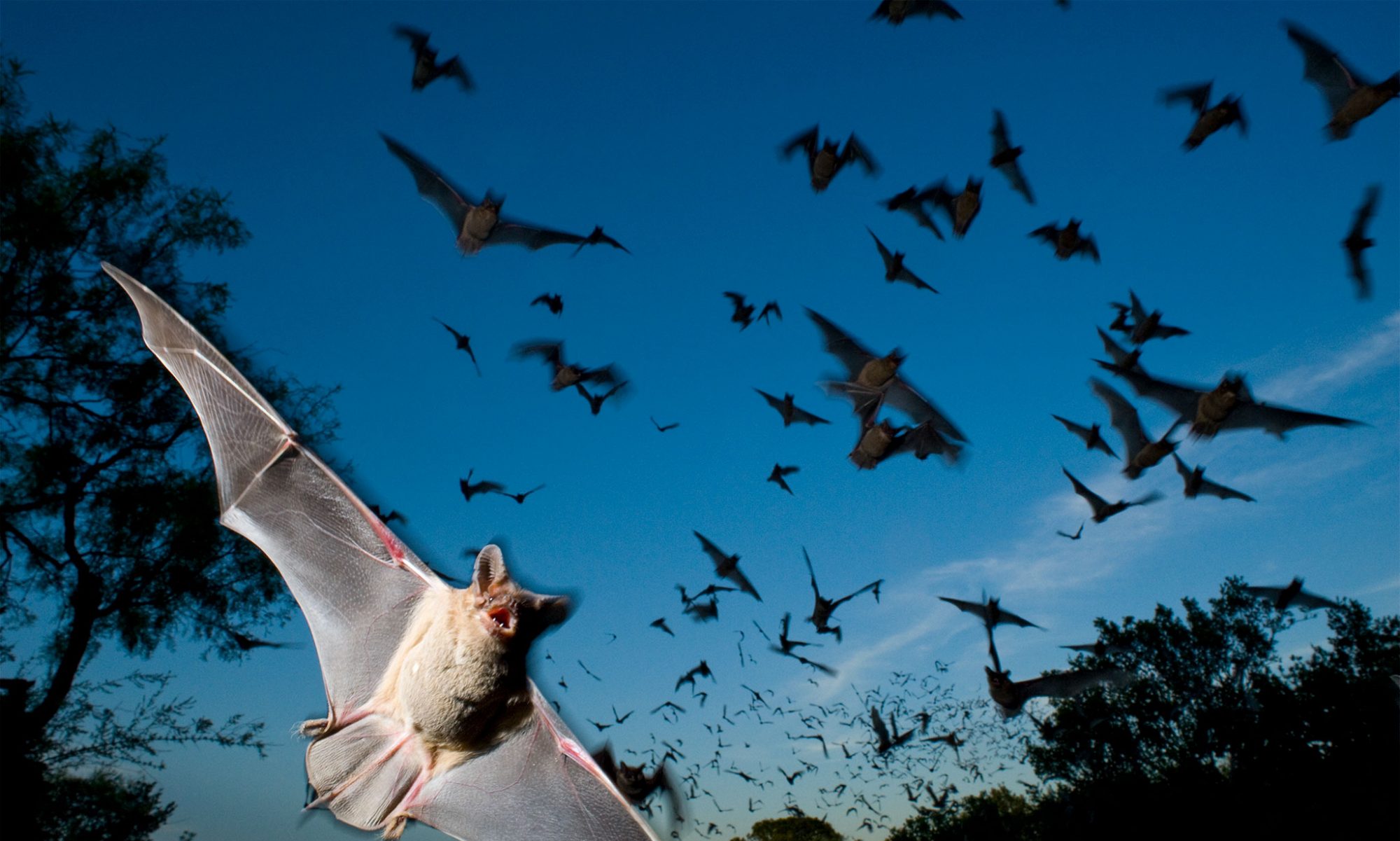

When wildlife enters your attic, basement, or walls, the damage isn’t always visible. Beyond noise and structural issues, animals can expose homeowners to serious health risks. Many wildlife diseases humans encounter are zoonotic—meaning they can spread from animals to people through droppings, urine, saliva, or contaminated air. Understanding these zoonotic wildlife risks helps homeowners know when a situation requires professional attention.
Common Wildlife Diseases Humans Encounter In-Home
Below are some of the most common wildlife-related diseases associated with home infestations.
1. Histoplasmosis (Bat & Bird Droppings)
Histoplasmosis is a fungal infection caused by inhaling spores found in bat guano or bird droppings. These spores can become airborne when droppings dry out or are disturbed during cleaning.
Common symptoms include:
- Fever and fatigue
- Cough or chest pain
- Shortness of breath
While mild cases may resemble the flu, severe infections can affect the lungs and other organs, especially in people with weakened immune systems.
2. Hantavirus (Rodent Droppings and Urine)
Hantavirus spreads when people inhale dust contaminated with infected rodent droppings, urine, or nesting materials. This is one of the most serious zoonotic wildlife risks linked to mice and rats.
Symptoms may include:
- Fever and muscle aches
- Headaches and dizziness
- Severe respiratory distress in advanced cases
Hantavirus is rare but potentially life-threatening, making professional cleanup essential.
3. Leptospirosis (Rodents, Raccoons, Skunks)
Leptospirosis is caused by bacteria found in animal urine and can enter the body through cuts in the skin or contaminated water.
Possible symptoms:
- Fever and chills
- Nausea or vomiting
- Muscle pain
Without treatment, it can lead to kidney or liver damage.
4. Rabies (Bats, Raccoons, Skunks)
Rabies is transmitted through bites or scratches and is fatal if untreated. Bats pose a particular risk because bites can be small and go unnoticed.
Any direct contact with wildlife should be treated as a medical emergency.
5. Salmonella (Rodents and Birds)
Salmonella spreads through contact with contaminated surfaces, droppings, or nesting areas and often causes gastrointestinal illness.
How to Prevent Wildlife-Related Disease Exposure
- Avoid sweeping or vacuuming droppings
- Do not handle wildlife directly
- Seal entry points around your home
- Schedule professional inspections if wildlife is suspected
DIY cleanup can make exposure worse by sending harmful particles into the air.
When to Call Wildlife Professionals
If you suspect wildlife activity in your home, professional removal and sanitation are critical for protecting your health. At Main Line Bat Guy, we’re knowledgeable about the wildlife diseases humans encounter within the home. We specialize in humane wildlife removal, exclusion, and proper cleanup to reduce disease risks safely. For more information or to schedule service, call us at (484) 716-2177.